America's IDD history of demanding better.
America's IDD history of demanding better.
America's IDD history of demanding better.
The progress made for people with IDD did not come from waiting. It came from parents who showed up, advocates who sued, and individuals who refused to be forgotten. Every law, every ruling, every shift in language was won because someone demanded better. We carry that forward today.
The progress made for people with IDD did not come from waiting. It came from parents who showed up, advocates who sued, and individuals who refused to be forgotten. Every law, every ruling, every shift in language was won because someone demanded better. We carry that forward today.
The progress made for people with IDD did not come from waiting. It came from parents who showed up, advocates who sued, and individuals who refused to be forgotten. Every law, every ruling, every shift in language was won because someone demanded better. We carry that forward today.
1972

1972 The Willowbrook Exposé
Photo: Willowbrook State School, Staten Island, New York. Postcard, date unknown. Wikimedia Commons / Public Domain.
For decades, families were told the kindest thing they could do for a child with an intellectual disability was to place them in a state institution. Trust the institution to care for them and move forward the best you could.
Willowbrook State School on Staten Island was one of those institutions. In January 1972, investigative journalist Geraldo Rivera entered the facility with a camera crew. What aired on the evening news shocked the public: children with IDD packed into overcrowded wards, sitting in their own filth, without basic care or meaningful human contact. Some were tied to their beds. Others sat alone in dim rooms, rocking back and forth. For many of them, there was simply no one coming.
The reaction was immediate. Families were outraged, and advocates began pushing for change. Within months, a class-action lawsuit, New York ARC v. Rockefeller, resulted in a federal consent decree that required humane conditions and opened the door to community placement for Willowbrook residents.
The story spread far beyond Staten Island. After Willowbrook, the idea of moving people out of institutions and into communities was no longer abstract. People had seen the faces of those living inside these systems. And after seeing it, the public demanded change.
1972
1972 The Willowbrook Exposé
Photo: Willowbrook State School, Staten Island, New York. Postcard, date unknown. Wikimedia Commons / Public Domain.
For decades, families were told the kindest thing they could do for a child with an intellectual disability was to place them in a state institution. Trust the institution to care for them and move forward the best you could.
Willowbrook State School on Staten Island was one of those institutions. In January 1972, investigative journalist Geraldo Rivera entered the facility with a camera crew. What aired on the evening news shocked the public: children with IDD packed into overcrowded wards, sitting in their own filth, without basic care or meaningful human contact. Some were tied to their beds. Others sat alone in dim rooms, rocking back and forth. For many of them, there was simply no one coming.
The reaction was immediate. Families were outraged, and advocates began pushing for change. Within months, a class-action lawsuit, New York ARC v. Rockefeller, resulted in a federal consent decree that required humane conditions and opened the door to community placement for Willowbrook residents.
The story spread far beyond Staten Island. After Willowbrook, the idea of moving people out of institutions and into communities was no longer abstract. People had seen the faces of those living inside these systems. And after seeing it, the public demanded change.
1972
1972 The Willowbrook Exposé
Photo: Willowbrook State School, Staten Island, New York. Postcard, date unknown. Wikimedia Commons / Public Domain.
For decades, families were told the kindest thing they could do for a child with an intellectual disability was to place them in a state institution. Trust the institution to care for them and move forward the best you could.
Willowbrook State School on Staten Island was one of those institutions. In January 1972, investigative journalist Geraldo Rivera entered the facility with a camera crew. What aired on the evening news shocked the public: children with IDD packed into overcrowded wards, sitting in their own filth, without basic care or meaningful human contact. Some were tied to their beds. Others sat alone in dim rooms, rocking back and forth. For many of them, there was simply no one coming.
The reaction was immediate. Families were outraged, and advocates began pushing for change. Within months, a class-action lawsuit, New York ARC v. Rockefeller, resulted in a federal consent decree that required humane conditions and opened the door to community placement for Willowbrook residents.
The story spread far beyond Staten Island. After Willowbrook, the idea of moving people out of institutions and into communities was no longer abstract. People had seen the faces of those living inside these systems. And after seeing it, the public demanded change.
1975

1975 Education for All Handicapped Children
Photo: President Gerald R. Ford signs the Education for All Handicapped Children Act, November 29, 1975. National Archives and Records Administration (NARA). Public Domain.
Before 1975, more than one million children with disabilities were completely excluded from public schools in the United States. Another three million were enrolled but denied appropriate services. Educators frequently told parents that their child was "uneducable," and the law backed them up.
The Education for All Handicapped Children Act (Public Law 94-142) changed all of that. Signed by President Gerald Ford, it guaranteed every child with a disability the right to a free, appropriate public education (FAPE) in the least restrictive environment, meaning alongside non-disabled peers whenever possible. It required Individualized Education Programs (IEPs), parental participation in educational decisions, and procedural safeguards. It was the most sweeping education rights legislation in American history.
Reauthorized in 1990 as the Individuals with Disabilities Education Act (IDEA), this law continues to shape the educational lives of more than seven million children today.
1975
1975 Education for All Handicapped Children
Photo: President Gerald R. Ford signs the Education for All Handicapped Children Act, November 29, 1975. National Archives and Records Administration (NARA). Public Domain.
Before 1975, more than one million children with disabilities were completely excluded from public schools in the United States. Another three million were enrolled but denied appropriate services. Educators frequently told parents that their child was "uneducable," and the law backed them up.
The Education for All Handicapped Children Act (Public Law 94-142) changed all of that. Signed by President Gerald Ford, it guaranteed every child with a disability the right to a free, appropriate public education (FAPE) in the least restrictive environment, meaning alongside non-disabled peers whenever possible. It required Individualized Education Programs (IEPs), parental participation in educational decisions, and procedural safeguards. It was the most sweeping education rights legislation in American history.
Reauthorized in 1990 as the Individuals with Disabilities Education Act (IDEA), this law continues to shape the educational lives of more than seven million children today.
1975
1975 Education for All Handicapped Children
Photo: President Gerald R. Ford signs the Education for All Handicapped Children Act, November 29, 1975. National Archives and Records Administration (NARA). Public Domain.
Before 1975, more than one million children with disabilities were completely excluded from public schools in the United States. Another three million were enrolled but denied appropriate services. Educators frequently told parents that their child was "uneducable," and the law backed them up.
The Education for All Handicapped Children Act (Public Law 94-142) changed all of that. Signed by President Gerald Ford, it guaranteed every child with a disability the right to a free, appropriate public education (FAPE) in the least restrictive environment, meaning alongside non-disabled peers whenever possible. It required Individualized Education Programs (IEPs), parental participation in educational decisions, and procedural safeguards. It was the most sweeping education rights legislation in American history.
Reauthorized in 1990 as the Individuals with Disabilities Education Act (IDEA), this law continues to shape the educational lives of more than seven million children today.
1990

1990 The Americans with Disabilities Act
Photo: President George H.W. Bush signs the Americans with Disabilities Act, July 26, 1990. George Bush Presidential Library and Museum / NARA. Public Domain.
On July 26, 1990, President George H.W. Bush signed the Americans with Disabilities Act into law before a crowd of 3,000 people on the South Lawn of the White House. "Let the shameful walls of exclusion finally come tumbling down," he declared. The crowd erupted.
The ADA was the culmination of decades of disability rights activism. It banned discrimination based on disability in employment, public accommodations, transportation, state and local government services, and telecommunications. For people with IDD, it meant that employers could no longer refuse to hire them simply because of their diagnosis, that public spaces had to be accessible, and that the full machinery of civil rights law was now on their side.
The ADA did not create a perfect world. Implementation has been uneven, and enforcement remains a challenge. But it established something irreversible: people with disabilities, including IDD, are rights-bearing citizens under the law.
1990
1990 The Americans with Disabilities Act
Photo: President George H.W. Bush signs the Americans with Disabilities Act, July 26, 1990. George Bush Presidential Library and Museum / NARA. Public Domain.
On July 26, 1990, President George H.W. Bush signed the Americans with Disabilities Act into law before a crowd of 3,000 people on the South Lawn of the White House. "Let the shameful walls of exclusion finally come tumbling down," he declared. The crowd erupted.
The ADA was the culmination of decades of disability rights activism. It banned discrimination based on disability in employment, public accommodations, transportation, state and local government services, and telecommunications. For people with IDD, it meant that employers could no longer refuse to hire them simply because of their diagnosis, that public spaces had to be accessible, and that the full machinery of civil rights law was now on their side.
The ADA did not create a perfect world. Implementation has been uneven, and enforcement remains a challenge. But it established something irreversible: people with disabilities, including IDD, are rights-bearing citizens under the law.
1990
1990 The Americans with Disabilities Act
Photo: President George H.W. Bush signs the Americans with Disabilities Act, July 26, 1990. George Bush Presidential Library and Museum / NARA. Public Domain.
On July 26, 1990, President George H.W. Bush signed the Americans with Disabilities Act into law before a crowd of 3,000 people on the South Lawn of the White House. "Let the shameful walls of exclusion finally come tumbling down," he declared. The crowd erupted.
The ADA was the culmination of decades of disability rights activism. It banned discrimination based on disability in employment, public accommodations, transportation, state and local government services, and telecommunications. For people with IDD, it meant that employers could no longer refuse to hire them simply because of their diagnosis, that public spaces had to be accessible, and that the full machinery of civil rights law was now on their side.
The ADA did not create a perfect world. Implementation has been uneven, and enforcement remains a challenge. But it established something irreversible: people with disabilities, including IDD, are rights-bearing citizens under the law.
1999

1999 Olmstead v. L.C.
Photo: United States Supreme Court Building, Washington D.C. Architect of the Capitol. Public Domain.
Two women with intellectual and mental health disabilities, known in court records as L.C. and E.W., were voluntarily admitted to a Georgia state psychiatric facility. Their treatment teams determined they were ready for community-based services. But Georgia kept them institutionalized, citing lack of resources. Their advocates sued under the ADA.
In 1999, the Supreme Court ruled in Olmstead v. L.C. that unjustified institutionalization of people with disabilities is a form of discrimination under the ADA. States are required to provide services to people with disabilities in the most integrated setting appropriate to their needs, and must have a plan to move people from institutions into the community.
Olmstead became the legal foundation for the modern community-based services movement. It is the reason state Medicaid home- and community-based services (HCBS) waiver programs exist and have expanded. Today, the focus is not placement, rather community living with the right supports in place.
1999
1999 Olmstead v. L.C.
Photo: United States Supreme Court Building, Washington D.C. Architect of the Capitol. Public Domain.
Two women with intellectual and mental health disabilities, known in court records as L.C. and E.W., were voluntarily admitted to a Georgia state psychiatric facility. Their treatment teams determined they were ready for community-based services. But Georgia kept them institutionalized, citing lack of resources. Their advocates sued under the ADA.
In 1999, the Supreme Court ruled in Olmstead v. L.C. that unjustified institutionalization of people with disabilities is a form of discrimination under the ADA. States are required to provide services to people with disabilities in the most integrated setting appropriate to their needs, and must have a plan to move people from institutions into the community.
Olmstead became the legal foundation for the modern community-based services movement. It is the reason state Medicaid home- and community-based services (HCBS) waiver programs exist and have expanded. Today, the focus is not placement, rather community living with the right supports in place.
1999
1999 Olmstead v. L.C.
Photo: United States Supreme Court Building, Washington D.C. Architect of the Capitol. Public Domain.
Two women with intellectual and mental health disabilities, known in court records as L.C. and E.W., were voluntarily admitted to a Georgia state psychiatric facility. Their treatment teams determined they were ready for community-based services. But Georgia kept them institutionalized, citing lack of resources. Their advocates sued under the ADA.
In 1999, the Supreme Court ruled in Olmstead v. L.C. that unjustified institutionalization of people with disabilities is a form of discrimination under the ADA. States are required to provide services to people with disabilities in the most integrated setting appropriate to their needs, and must have a plan to move people from institutions into the community.
Olmstead became the legal foundation for the modern community-based services movement. It is the reason state Medicaid home- and community-based services (HCBS) waiver programs exist and have expanded. Today, the focus is not placement, rather community living with the right supports in place.
2010

2010: Words Have Weight
Photo: President Barack Obama signs Rosa's Law, October 5, 2010. Official White House Photo. Public Domain.
Rosa Marcellino was 9 years old and had Down syndrome when her family began their campaign to change the language of federal law. The word they wanted removed, "mental retardation," had been used in federal statutes since the 1960s. But for Rosa, and for millions of people with intellectual disabilities, it was not a clinical term. It was a slur. It was a label that shaped how teachers, employers, neighbors, and strangers perceived them.
The Marcellino family's advocacy succeeded. In October 2010, President Barack Obama signed Rosa's Law, replacing "mental retardation" with "intellectual disability" throughout federal law, covering education statutes, health policy, labor law.
"What you call people is how you treat them," her brother Nick told lawmakers. "If we change the words, maybe it will be the start of a change in attitudes."
2010
2010: Words Have Weight
Photo: President Barack Obama signs Rosa's Law, October 5, 2010. Official White House Photo. Public Domain.
Rosa Marcellino was 9 years old and had Down syndrome when her family began their campaign to change the language of federal law. The word they wanted removed, "mental retardation," had been used in federal statutes since the 1960s. But for Rosa, and for millions of people with intellectual disabilities, it was not a clinical term. It was a slur. It was a label that shaped how teachers, employers, neighbors, and strangers perceived them.
The Marcellino family's advocacy succeeded. In October 2010, President Barack Obama signed Rosa's Law, replacing "mental retardation" with "intellectual disability" throughout federal law, covering education statutes, health policy, labor law.
"What you call people is how you treat them," her brother Nick told lawmakers. "If we change the words, maybe it will be the start of a change in attitudes."
2010
2010: Words Have Weight
Photo: President Barack Obama signs Rosa's Law, October 5, 2010. Official White House Photo. Public Domain.
Rosa Marcellino was 9 years old and had Down syndrome when her family began their campaign to change the language of federal law. The word they wanted removed, "mental retardation," had been used in federal statutes since the 1960s. But for Rosa, and for millions of people with intellectual disabilities, it was not a clinical term. It was a slur. It was a label that shaped how teachers, employers, neighbors, and strangers perceived them.
The Marcellino family's advocacy succeeded. In October 2010, President Barack Obama signed Rosa's Law, replacing "mental retardation" with "intellectual disability" throughout federal law, covering education statutes, health policy, labor law.
"What you call people is how you treat them," her brother Nick told lawmakers. "If we change the words, maybe it will be the start of a change in attitudes."
2026

2026: What Demanding Better Looks Like Today
The call to demand better has always been about improving the lives of people with intellectual and developmental disabilities.
Today, that call is shaping how providers build and run their organizations. Agencies are navigating workforce shortages, policy shifts, and increasing expectations around quality and accountability.
The demand for better has never stopped. Today, providers are carrying that work forward, pushing for better support for their teams, stronger outcomes for individuals, and systems that help them navigate an increasingly complex landscape.
2026
2026: What Demanding Better Looks Like Today
The call to demand better has always been about improving the lives of people with intellectual and developmental disabilities.
Today, that call is shaping how providers build and run their organizations. Agencies are navigating workforce shortages, policy shifts, and increasing expectations around quality and accountability.
The demand for better has never stopped. Today, providers are carrying that work forward, pushing for better support for their teams, stronger outcomes for individuals, and systems that help them navigate an increasingly complex landscape.
2026
2026: What Demanding Better Looks Like Today
The call to demand better has always been about improving the lives of people with intellectual and developmental disabilities.
Today, that call is shaping how providers build and run their organizations. Agencies are navigating workforce shortages, policy shifts, and increasing expectations around quality and accountability.
The demand for better has never stopped. Today, providers are carrying that work forward, pushing for better support for their teams, stronger outcomes for individuals, and systems that help them navigate an increasingly complex landscape.
Giv | Demand better.
Giv | Demand better.
Every step forward in IDD services has come from people demanding better. We believe providers deserve better tools to continue that work.
2025 in review
The next era of care
demands better.
The next era of care
demands better.
The next era of care
demands better.
We design and build systems that remove friction from care, so teams can focus on individuals, not paperwork.
We design and build systems that remove friction from care, so teams can focus on individuals, not paperwork.
"Good enough" failed
"Good enough" failed
"Good enough" failed
Long before Giv existed, one truth was clear. The IDD field has been forced to operate inside broken systems. Lost reimbursement, paper documentation, constant policy changes, EVV expansion, and burnout became the norm. Teams asked for a way to focus on lives instead of logistics. They were met with fragmented tools and technology that created more burden, not support.
Long before Giv existed, one truth was clear. The IDD field has been forced to operate inside broken systems. Lost reimbursement, paper documentation, constant policy changes, EVV expansion, and burnout became the norm. Teams asked for a way to focus on lives instead of logistics. They were met with fragmented tools and technology that created more burden, not support.
Long before Giv existed, one truth was clear. The IDD field has been forced to operate inside broken systems. Lost reimbursement, paper documentation, constant policy changes, EVV expansion, and burnout became the norm. Teams asked for a way to focus on lives instead of logistics. They were met with fragmented tools and technology that created more burden, not support.
Why we chose to build Giv
Why we chose to build Giv
Too much of the industry accepted the status quo. We did not. We believed technology should empower agencies, not slow them down. It should support individuals, not lose sight of them. So we committed to building a solution that understood the realities of IDD care and the people behind it.
That decision became Giv.
Too much of the industry accepted the status quo. We did not. We believed technology should empower agencies, not slow them down. It should support individuals, not lose sight of them. So we committed to building a solution that understood the realities of IDD care and the people behind it.
That decision became Giv.
Too much of the industry accepted the status quo. We did not. We believed technology should empower agencies, not slow them down. It should support individuals, not lose sight of them. So we committed to building a solution that understood the realities of IDD care and the people behind it.
That decision became Giv.




What we built in 2025
What we built in 2025
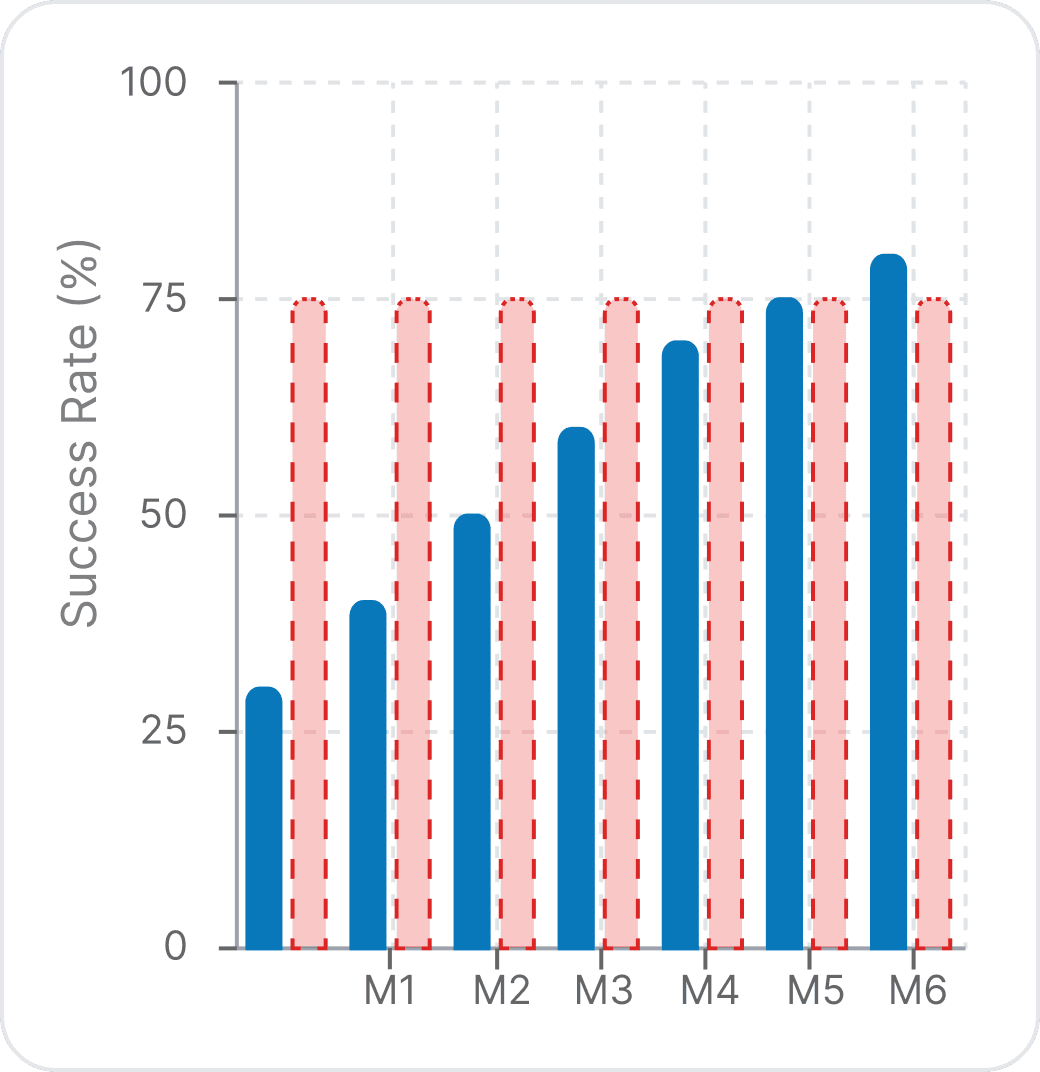
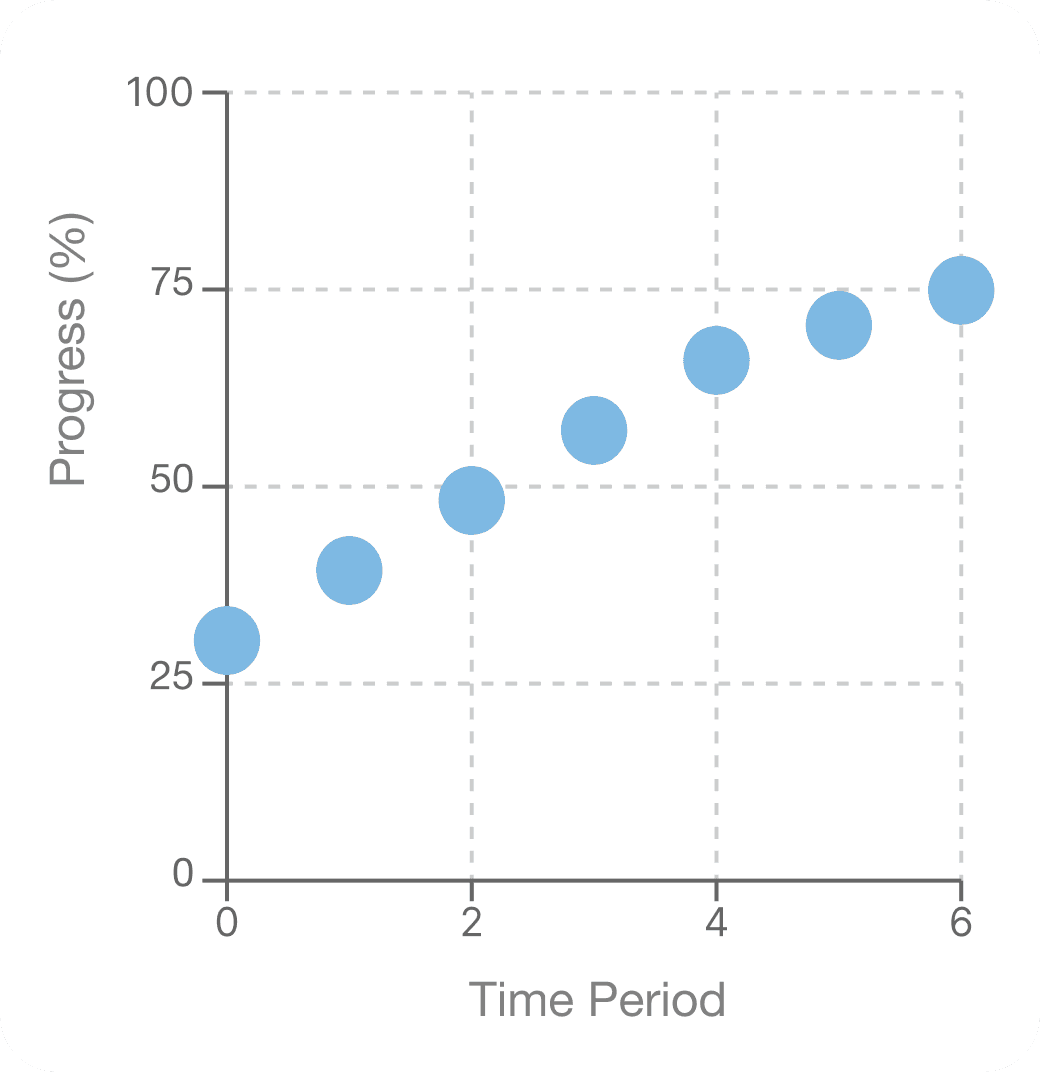
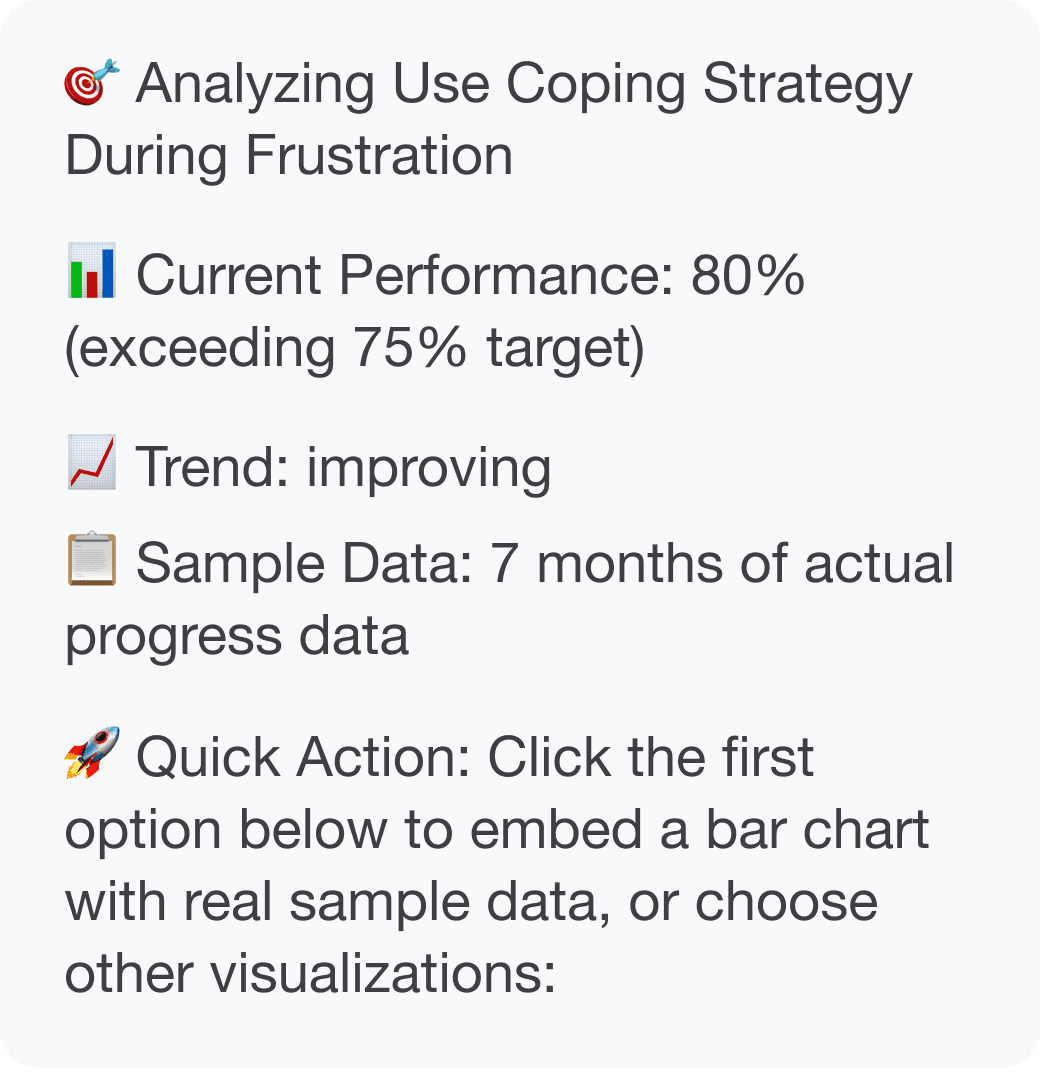
In 2025, Giv fully came to market and accelerated quickly. We released more than 50 new features focused on real-world agency needs. We introduced AI-powered goal reporting and insights, rebuilt scheduling for flexibility, added buildable documentation templates, pharmacy integrations, custom forms, desktop charting, incident reporting, payroll, and stronger security. We also delivered something many were told was not possible. Medicaid billing with a single click. By the end of the year, Giv became the first true all-in-one IDD platform built for agencies of all sizes.
In 2025, Giv fully came to market and accelerated quickly. We released more than 50 new features focused on real-world agency needs. We introduced AI-powered goal reporting and insights, rebuilt scheduling for flexibility, added buildable documentation templates, pharmacy integrations, custom forms, desktop charting, incident reporting, payroll, and stronger security. We also delivered something many were told was not possible. Medicaid billing with a single click. By the end of the year, Giv became the first true all-in-one IDD platform built for agencies of all sizes.
In 2025, Giv fully came to market and accelerated quickly. We released more than 50 new features focused on real-world agency needs. We introduced AI-powered goal reporting and insights, rebuilt scheduling for flexibility, added buildable documentation templates, pharmacy integrations, custom forms, desktop charting, incident reporting, payroll, and stronger security. We also delivered something many were told was not possible. Medicaid billing with a single click. By the end of the year, Giv became the first true all-in-one IDD platform built for agencies of all sizes.
What comes next
What comes next
What comes next
Our work does not stop here. From day one, our mission has been to take care of those who take care of the one. We are building boldly, moving quickly, and pushing the industry forward, because the individuals you serve deserve better. You have demanded better for the industry. Demand better of your software.
Our work does not stop here. From day one, our mission has been to take care of those who take care of the one. We are building boldly, moving quickly, and pushing the industry forward, because the individuals you serve deserve better. You have demanded better for the industry. Demand better of your software.
Our work does not stop here. From day one, our mission has been to take care of those who take care of the one. We are building boldly, moving quickly, and pushing the industry forward, because the individuals you serve deserve better. You have demanded better for the industry. Demand better of your software.
Shifts
July 2026
Week
Schedule
Mo
Tu
We
Th
Fr
Sa
Su
10:00 am - 12:00 pm
Completed
8891 Williamsburg Road Fredericksburg, VA, USA
2:00 pm - 5:00 pm
In progress
5891 Maple Street Stafford, VA, USA
8:00 pm - 11:00 pm
Scheduled
944 Stone Grove Ave. Stafford, VA, USA
Shifts
July 2026
Week
Schedule
Mo
Tu
We
Th
Fr
Sa
Su
10:00 am - 12:00 pm
Completed
8891 Williamsburg Road Fredericksburg, VA, USA
2:00 pm - 5:00 pm
In progress
5891 Maple Street Stafford, VA, USA
8:00 pm - 11:00 pm
Scheduled
944 Stone Grove Ave. Stafford, VA, USA
Try before you buy
Try before you buy
Try before you buy
Starting at $18 per active client.
Starting at $18 per active client.


Experience innovation
The product
Experience innovation
The product
Experience innovation
The product
Experience innovation
The product