Overview
Direct Support Professionals play one of the most important roles in the IDD field. They provide daily care, build relationships, and support individuals in living meaningful lives. But across the country, agencies continue to face high turnover and staffing shortages.
Retention is not just a hiring problem. It is a systems problem. When staff feel overwhelmed, unsupported, or disconnected from their work, they are more likely to leave. Technology, when used correctly, can help agencies create a more stable and supportive environment for DSPs.
Why retention matters
High DSP turnover affects everything. It disrupts continuity of care, increases training costs, and creates stress for both staff and individuals receiving services.
For individuals, constant staff changes can impact trust, routines, and behavioral stability. For agencies, it leads to overtime, burnout, and operational strain. Retaining experienced DSPs improves care quality and creates a stronger, more consistent team.

Daily challenges DSPs face
DSPs manage a wide range of responsibilities. They support daily living, document services, respond to behaviors, and communicate with supervisors and families.
Many of these tasks are still done through manual processes, paper notes, or disconnected systems. This creates frustration, delays, and extra work. When documentation takes longer than care itself, it becomes a major source of burnout.
Where technology helps
Technology can remove friction from a DSP’s day. When systems are simple and connected, staff spend less time on paperwork and more time supporting individuals.
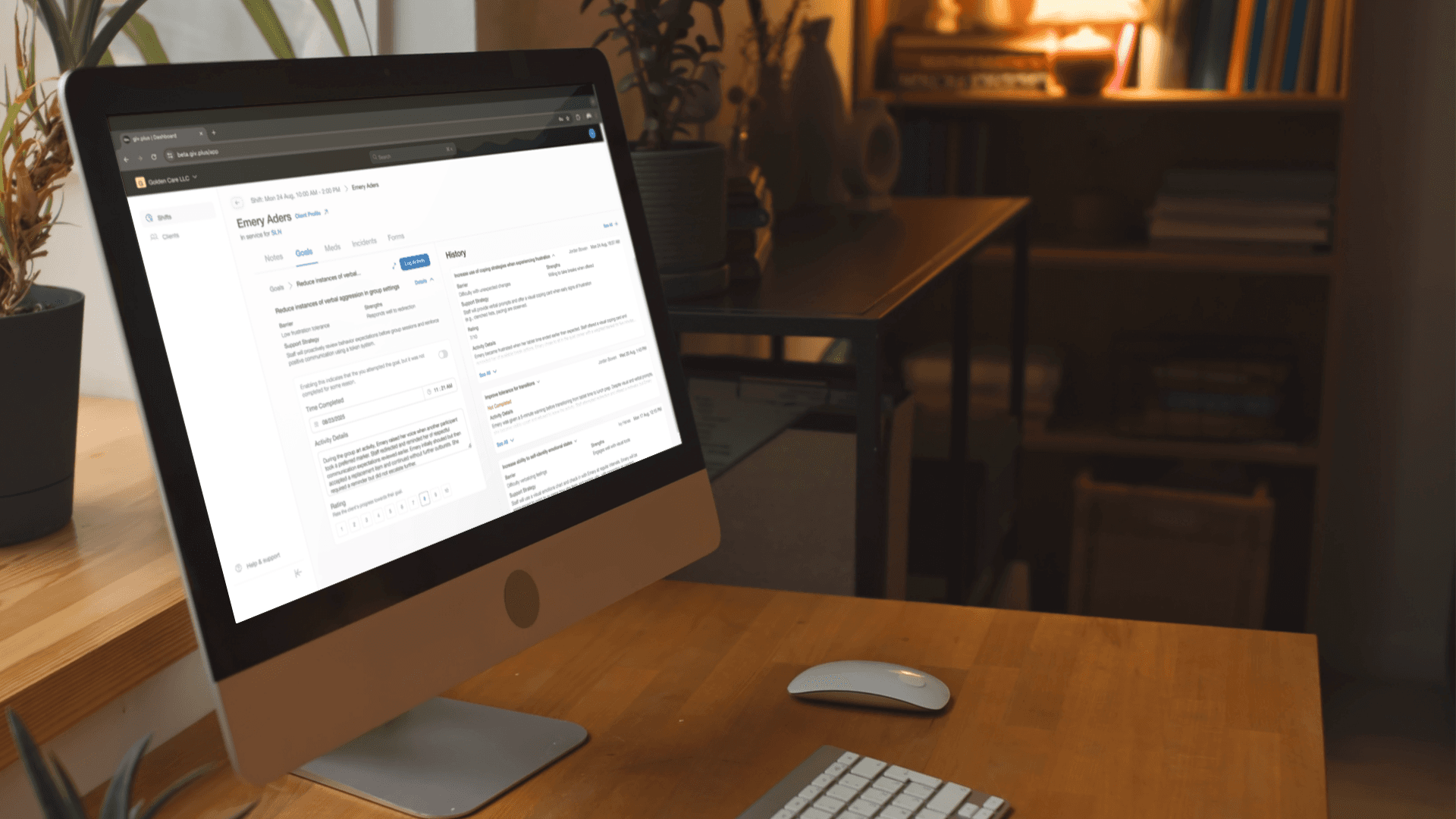
Real-time documentation tools allow DSPs to log notes during or immediately after a shift. Mobile access ensures they can document anywhere. Automated reminders help staff stay on track with tasks, medications, and required notes.
When tools are intuitive, staff feel more confident and less overwhelmed.
Reducing documentation burden
One of the biggest drivers of DSP frustration is documentation. Unclear expectations, duplicate entry, and delayed note-taking all add stress.
Modern platforms can simplify this process by guiding staff through required fields, linking documentation to goals, and reducing the need for corrections. When documentation is faster and clearer, staff are more likely to complete it accurately and on time.
This not only improves compliance but also reduces end-of-shift stress.

Supporting communication
Strong communication helps DSPs feel supported. When information is easy to access, staff are more prepared for their shifts and more confident in their decisions.
Technology can centralize notes, behavior updates, and care plans so every team member is working from the same information. This reduces confusion during shift changes and helps teams stay aligned.
Supervisors can also provide feedback more quickly when they have real-time visibility into documentation and trends.
Building better workflows
Retention improves when systems work the way staff actually work. That means reducing unnecessary steps, eliminating duplicate entry, and making tools easy to learn.
Agencies that invest in better workflows often see improvements in both efficiency and morale. Staff spend less time navigating systems and more time focusing on care.
Simple improvements in daily routines can have a significant impact on long-term retention.
How Giv supports DSPs
Giv is designed to support DSPs in their daily work. With real-time documentation, mobile access, and connected workflows, staff can complete notes quickly and accurately without added stress.
By bringing documentation, scheduling, and communication into one platform, Giv helps reduce confusion and improve consistency across teams. When DSPs feel supported and equipped with the right tools, they are more likely to stay, grow, and deliver high-quality care.