
Overview
Consistency is one of the most important factors in delivering high-quality care in IDD services. Individuals rely on predictable routines, familiar responses, and clear expectations to feel safe and supported.
But consistency is not always easy to maintain. With multiple staff, shift changes, and competing priorities, small gaps in communication or documentation can quickly add up. This blog explores why consistency matters, where it breaks down, and how agencies can strengthen it across teams.
Why consistency matters
Consistency creates stability. When individuals know what to expect, they are more likely to engage, communicate, and build trust with staff.
Inconsistent responses can lead to confusion, frustration, or behavioral challenges. Over time, this makes it harder to track progress and implement effective support strategies.

Where gaps occur
Consistency often breaks down during transitions. Shift changes, new staff, and busy environments can all lead to missed information.
It can also break down when documentation is delayed or unclear. When staff rely on memory instead of accurate records, important details are more likely to be missed.
Documentation drives alignment
Documentation is one of the strongest tools for maintaining consistency. Clear and timely notes help staff understand what happened during previous shifts and how to respond moving forward.
When documentation is vague or inconsistent, each staff member may respond differently. This creates variation in care and makes it harder to support the individual effectively.
Aligning your team
Consistency requires alignment across the entire team. DSPs, supervisors, and clinicians all need access to the same information and expectations.
When everyone is working from the same plan and the same data, responses become more predictable and coordinated. This leads to better outcomes and fewer disruptions.
Supporting staff success
Staff are more likely to be consistent when systems support them. Clear workflows, simple documentation processes, and easy access to information all make a difference.
Training also plays a role. When staff understand why consistency matters, they are more likely to follow through in their daily work.
How Giv supports consistency
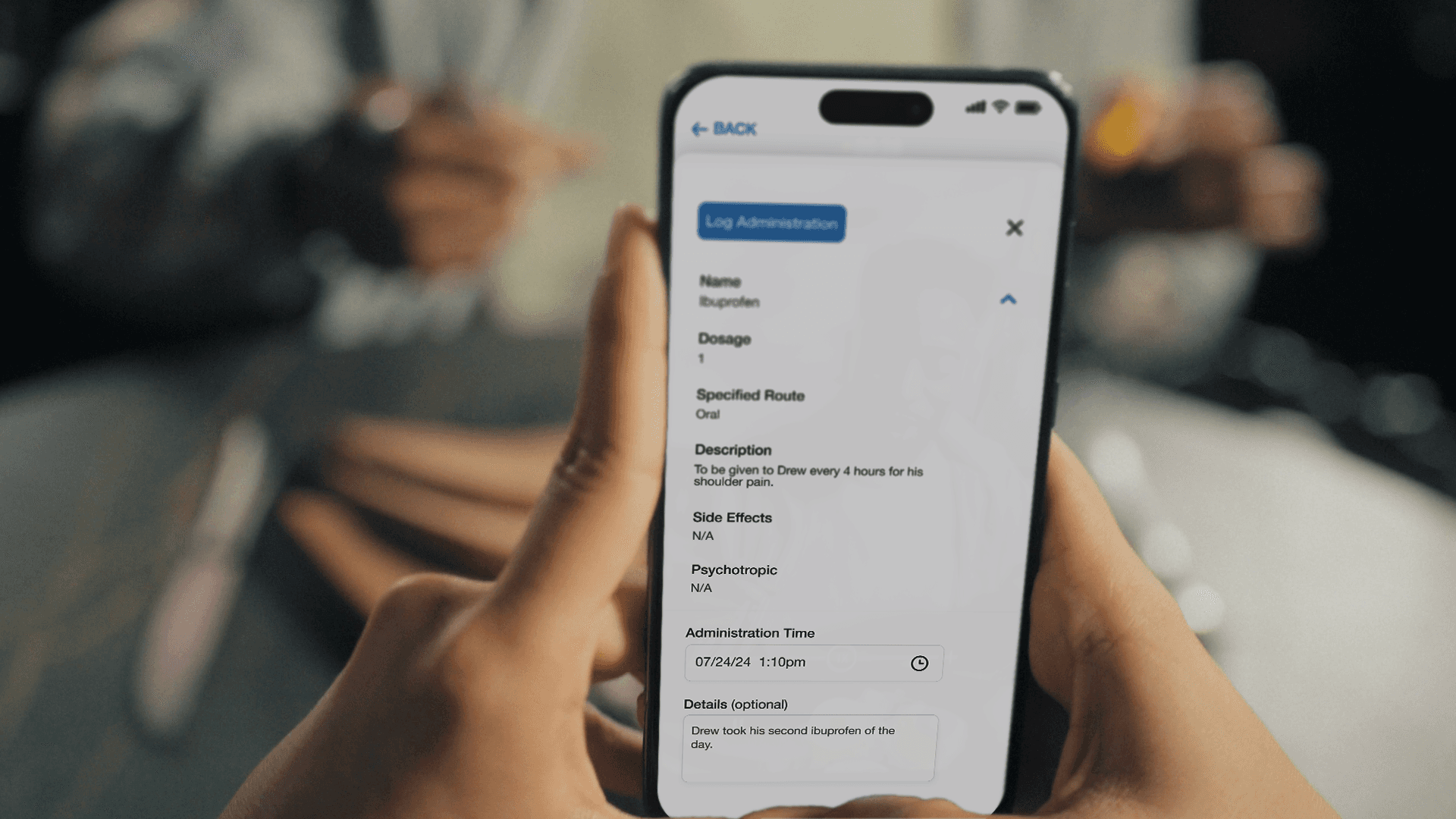
Giv helps agencies build consistency by connecting documentation, communication, and care in one place. Staff can document in real time, review previous updates, and access the information they need without delay.
With shared visibility across teams, agencies can reduce gaps, improve alignment, and deliver more consistent care every day.