Overview
Documentation is at the center of behavioral health care. Every note, treatment plan, and medication record helps shape how individuals are supported over time. That is where EMR systems come in.
For behavioral health and IDD providers, choosing the right system can impact everything from compliance and billing to care quality and team communication. Understanding what an EMR is, how it differs from an EHR, and what features matter most can help agencies make better decisions as they grow.
What is an EMR
An electronic medical record, or EMR, is a digital version of a patient’s chart within a single organization. It stores clinical information such as diagnoses, medications, treatment notes, and service history.
In behavioral health settings, EMRs often include therapy notes, behavior tracking, treatment plans, and progress updates. These systems help clinicians and staff document care consistently and access information quickly when making decisions.

EMR vs EHR
While EMR and EHR are often used interchangeably, there are key differences. An EMR is typically used within one organization and focuses on internal documentation and workflows.
An electronic health record, or EHR, is designed to be shared across multiple providers and systems. It supports broader care coordination, allowing information to follow an individual across different settings such as hospitals, specialists, and community providers.
For many IDD and behavioral health agencies, the distinction matters less than the level of integration and functionality the system provides. The goal is to have a platform that supports both clinical care and operational needs in one place.
Why EMRs matter
In behavioral health, documentation is more than a requirement. It supports continuity of care, protects against compliance risk, and ensures that services are aligned with individual goals.
A strong EMR helps teams:
Maintain accurate and consistent records
Track progress toward treatment or ISP goals
Support billing and reimbursement
Reduce errors and missed information
Improve communication across staff
When documentation improves, care becomes more consistent and defensible.
Behavioral health needs
Behavioral health and IDD services have unique documentation requirements. EMR systems must support more than basic medical records.
Key needs include behavior tracking, goal progress monitoring, customizable treatment plans, and support for multidisciplinary teams. Systems should also allow for role-based access so staff only see the information they need.
Flexibility is important. Behavioral health workflows vary widely, and systems should adapt to the way agencies deliver care, not the other way around.
Features to look for
When evaluating EMR software, agencies should focus on tools that support both clinical and operational success.
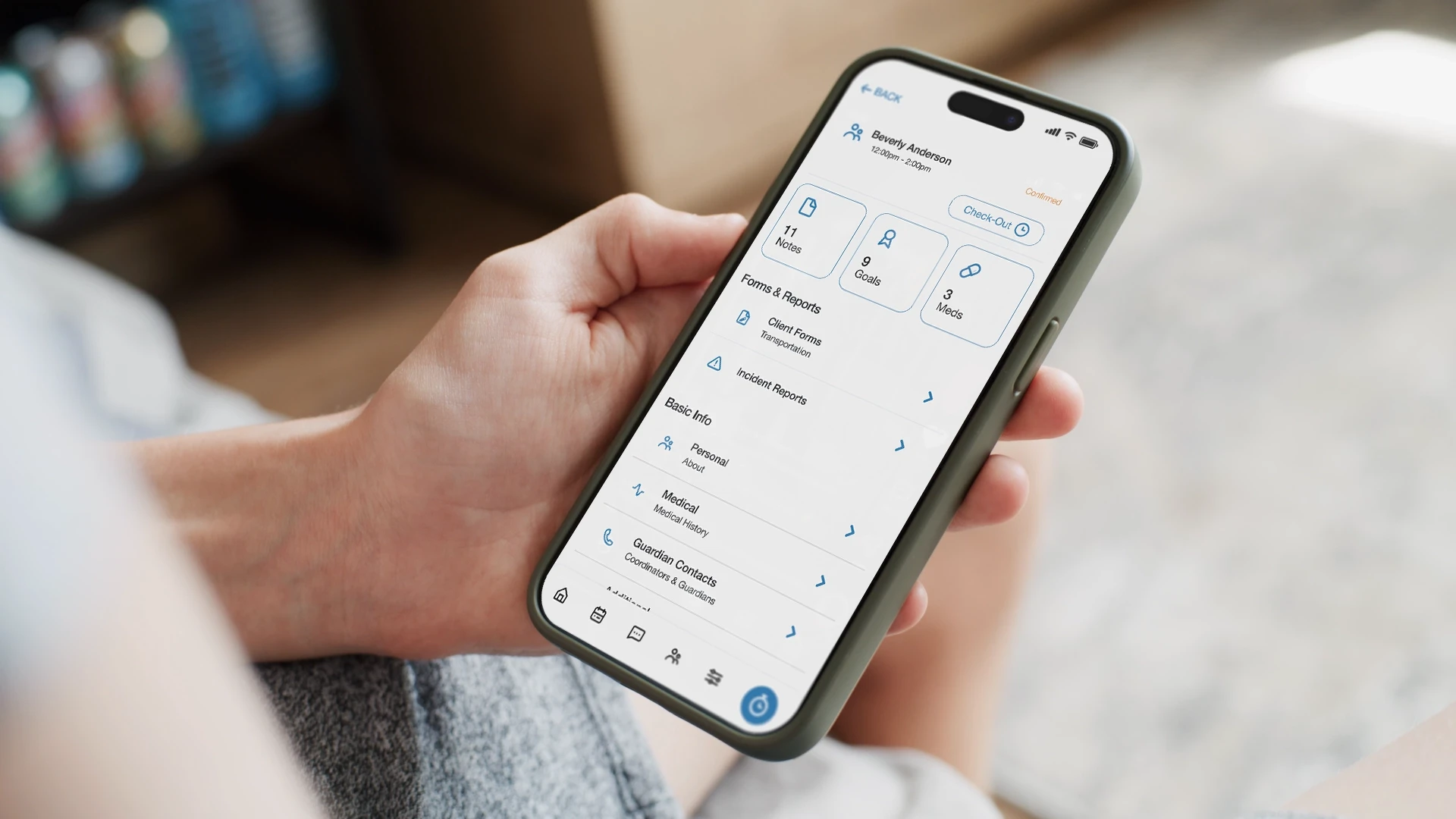
Look for systems that offer real-time documentation, customizable forms, goal tracking, and clear reporting. Mobile access is critical so staff can document during or immediately after services. Integration with billing, scheduling, and medication management tools can also reduce duplicate work.
Ease of use matters just as much as functionality. If staff struggle to use the system, documentation quality will suffer.
Common pitfalls
Not all EMR systems are built for behavioral health or IDD services. Some are designed for general healthcare settings and lack the flexibility needed for daily support workflows.
Common issues include rigid templates, limited behavior tracking, poor reporting capabilities, and disconnected systems that require duplicate data entry. These gaps can slow down staff, increase errors, and create challenges during audits.
Agencies should evaluate systems carefully to ensure they align with both compliance requirements and real-world workflows.
How Giv supports documentation
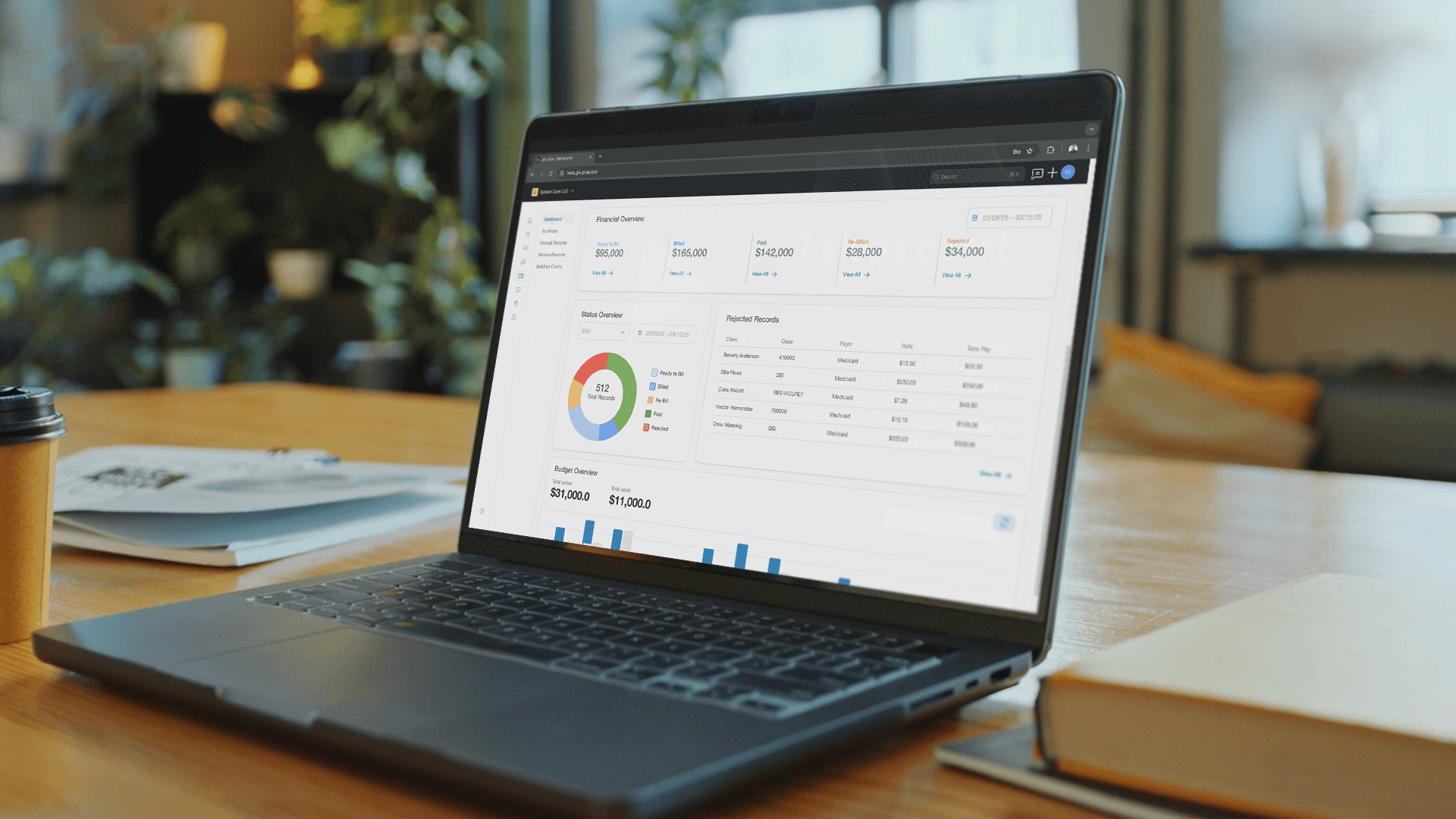
Giv is built specifically for IDD and behavioral health providers, combining documentation, billing, scheduling, and reporting into one connected platform.
Instead of treating documentation as a separate task, Giv integrates it into daily workflows. Staff can document in real time, track behavior and goal progress, and ensure services are aligned with individual plans. With everything in one place, teams can reduce errors, stay compliant, and focus more on delivering quality care. To see how Giv supports providers with software for EHR and EMR click here.