Overview
In IDD care, quality depends on continuity. Individuals rely on teams that communicate clearly, especially across shifts, settings, and support roles. That’s why handoffs, those moments when one DSP ends a shift and another begins, are crucial.
When handoffs are rushed or incomplete, important information gets lost. That can lead to missed medications, behavioral incidents, or support strategies falling through the cracks. But when done well, handoffs protect consistency, improve safety, and reinforce trust between staff and the individuals they serve.
This blog explores how agencies can strengthen handoffs through better documentation, shared language, and systems that support timely, accurate communication.
What a handoff actually is
It’s during a handoff that responsibility for an individual’s care shifts, making it a critical point for communication and continuity. That includes key updates about what happened during the previous shift, what’s coming next, and anything unusual that might affect care.
Handoffs can happen between DSPs, between day and overnight teams, or even across different programs. In every case, the goal is the same: ensure the next staff member has what they need to provide safe, person-centered support.

Where breakdowns happen
Most communication issues during handoffs come down to two things: timing and clarity. If documentation isn’t complete by the time a new staff member starts their shift, they’re left guessing. If notes are vague, incomplete, or stored in too many places, staff don’t know what to act on.
In fast-moving environments, it’s easy to assume “someone else probably knows.” But in IDD care, those assumptions can result in missed meds, escalated behaviors, or families losing trust.
Key handoff components
Strong handoffs follow a clear structure. They include updates on medications, behaviors, sleep patterns, meals, appointments, incidents, and anything the next staff member should watch for. They also include softer, human elements, like mood, communication challenges, or support strategies that worked (or didn’t).
The best handoffs are consistent, focused, and timely. Staff should know what’s essential, where to find it, and how to communicate it, without needing to remember every detail themselves.
Why timing matters
Handoffs fall apart when documentation is delayed. If notes aren’t entered until the end of the day (or week), staff are relying on memory, post-its, or verbal updates. That increases risk and erodes trust in the system.
Real-time documentation ensures that by the time a new DSP clocks in, they have access to accurate, up-to-date information. That helps them start strong, and keeps the individual’s routine on track.
The role of digital tools
Digital documentation is faster, more secure, and easier to manage. When DSPs document shifts and behaviors on mobile devices, information is stored instantly and can be viewed by the next staff member without delay. Supervisors can also monitor for gaps, follow up on concerns, and provide coaching in real time.
With digital systems, handoffs are no longer dependent on memory or binders. They become part of a seamless workflow that improves consistency across staff and programs.
Better handoffs with Giv
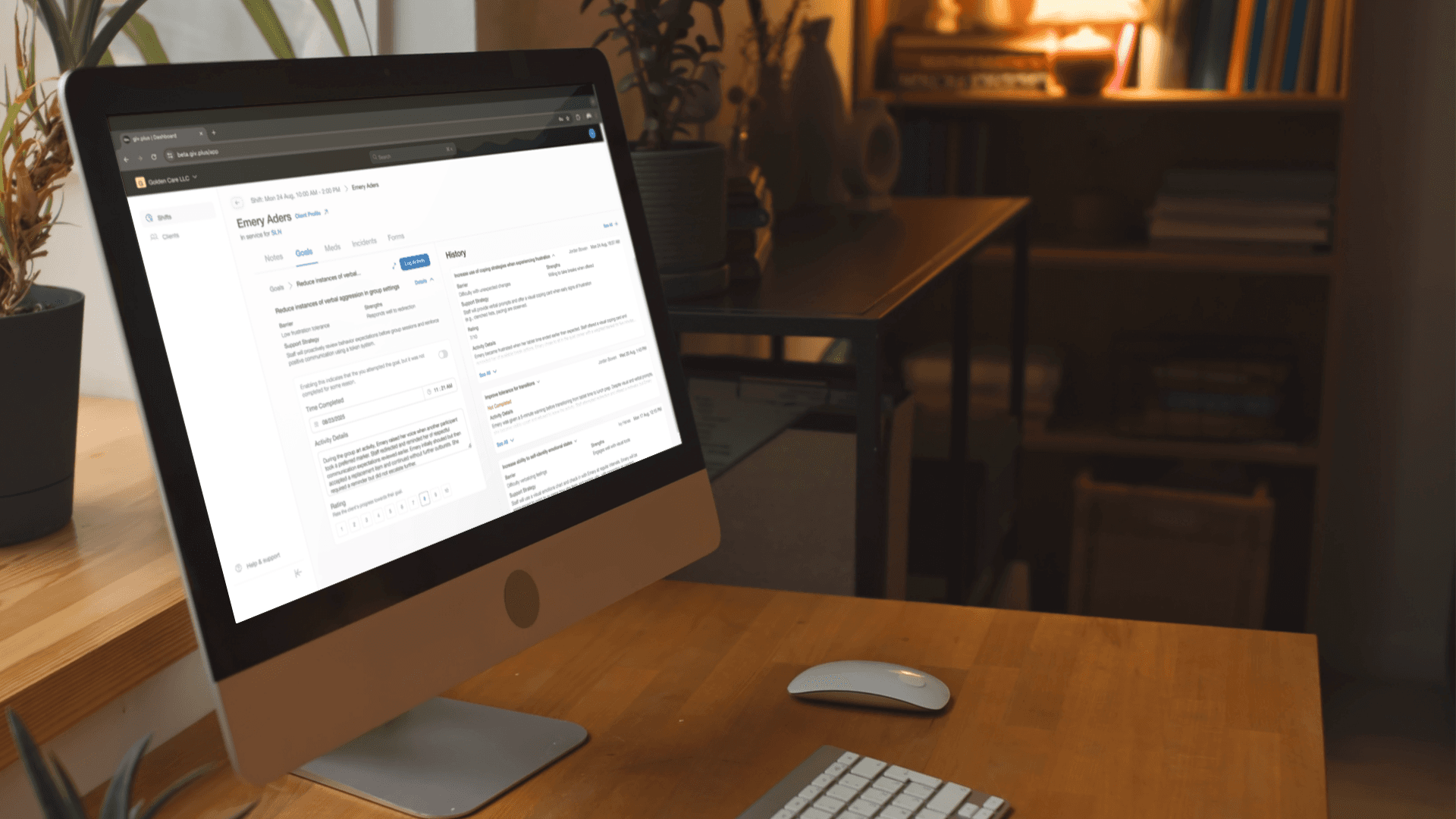
Giv helps agencies reduce the friction of shift changes by making real-time documentation easy, accessible, and consistent. DSPs can log updates as they happen, and incoming staff can review those notes the moment they clock in.
Behavior data, medication logs, and communication preferences are all centralized, so no one has to guess or dig through outdated forms. With Giv, agencies create a system where every handoff supports continuity, safety, and stronger outcomes for the individuals they serve. Explore the product to see how Giv could support your agency.