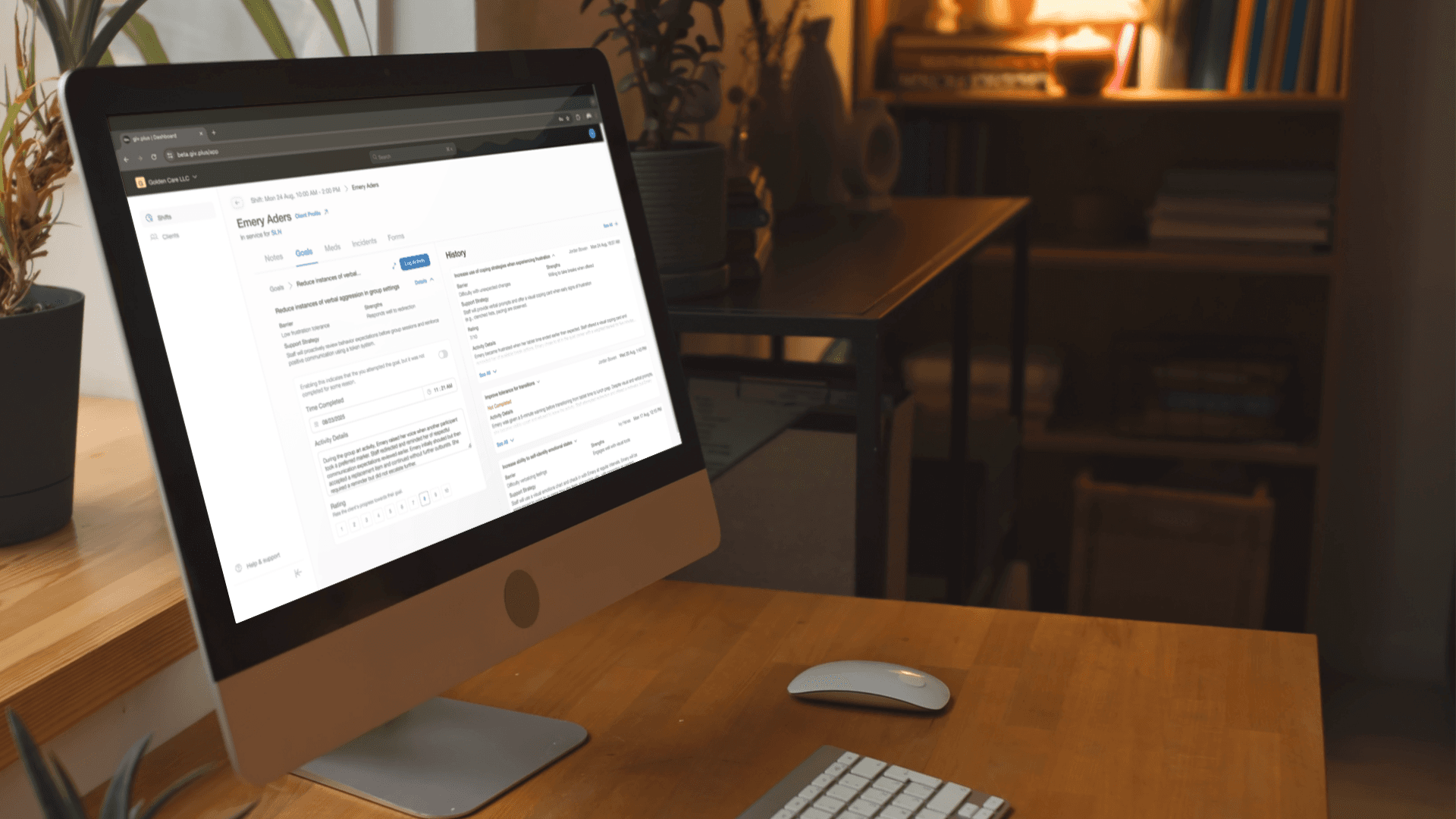
Overview
Behavioral health professionals spend much of their time balancing direct care with documentation, scheduling, and coordination across teams. While these tasks are essential, they can quickly become overwhelming without the right systems in place.
Behavioral health software helps staff manage these responsibilities more efficiently. By centralizing documentation, improving communication, and reducing administrative workload, technology allows teams to focus more of their time on the individuals they support.
As behavioral health services continue to expand, organizations increasingly rely on software to support staff productivity, compliance, and collaboration. When implemented well, these systems improve both the work environment for providers and the quality of care individuals receive.
Reduce paperwork
One of the most immediate benefits of behavioral health software is reducing the amount of manual paperwork staff must complete. Traditional documentation methods often involve paper forms, spreadsheets, or disconnected systems. These processes require extra time and increase the risk of missing or incomplete information.
Behavioral health software allows staff to enter documentation directly into a structured system. Notes, assessments, and service records are stored in one place and can be accessed quickly when needed. This helps staff spend less time managing paperwork and more time focusing on care.

Real time documentation
Accurate documentation is critical in behavioral health services. Staff must record session details, behavioral observations, and treatment progress in a way that reflects the services provided.
Software platforms allow providers to document services shortly after they occur. This improves accuracy and ensures important details are captured while they are still fresh. Real time documentation also allows supervisors to review records more quickly and helps organizations maintain clear, up to date service histories.
Improve communication
Behavioral health care often involves multiple professionals working together. Clinicians, supervisors, case managers, and administrative staff all contribute to the care process.
Software platforms help improve communication by centralizing records and allowing team members to access the same information. Staff can review notes, track treatment progress, and stay informed about important updates. Clear communication helps ensure that everyone involved in care understands the individual’s needs and support strategies.
Support treatment plans
Treatment planning is a core part of behavioral health services. Providers work with individuals to establish goals related to emotional health, behavior management, coping skills, and daily functioning.
Behavioral health software allows providers to connect daily documentation with treatment plan goals. Staff can track progress over time and update interventions when necessary. This structured approach helps ensure that care remains aligned with the individual’s treatment objectives.

Strengthen compliance
Behavioral health organizations operate within strict regulatory frameworks. Documentation must meet specific requirements for privacy, billing, and clinical records.
Software systems help guide staff through these requirements by structuring documentation fields and ensuring required information is captured. Features such as audit logs, secure record storage, and standardized documentation templates help organizations maintain compliance while reducing administrative stress for staff.
Improve collaboration
Behavioral health services rarely occur in isolation. Individuals often receive support from multiple providers across different programs or service settings. Software platforms allow teams to collaborate more effectively by sharing documentation, reviewing treatment progress, and coordinating care plans.
When staff have clear visibility into services and outcomes, they can make better decisions about how to support individuals moving forward.
How Giv supports staff
Giv provides behavioral health teams with tools designed to simplify documentation, improve communication, and support collaboration across care teams. Providers can record services in real time, track treatment goals, and maintain organized records without relying on multiple systems. Supervisors and administrators can review documentation, generate reports, and ensure compliance more easily.
By reducing administrative complexity and improving visibility across teams, Giv helps behavioral health staff focus on delivering effective care. To learn how Giv supports providers and their staff, click here.