Overview
Behavioral health care operates differently from many other areas of healthcare. While traditional medical systems often focus on procedures, diagnostics, and short clinical visits, behavioral health services typically center around therapy sessions, long term treatment plans, and behavioral interventions.
Providers must track progress over time, coordinate care across multiple professionals, and maintain detailed documentation that reflects both clinical insight and behavioral observations. Because of these differences, behavioral health organizations require software designed specifically for their workflows.
Specialized behavioral health software helps agencies manage treatment plans, maintain organized records, and ensure consistent documentation across teams.
Care planning focus
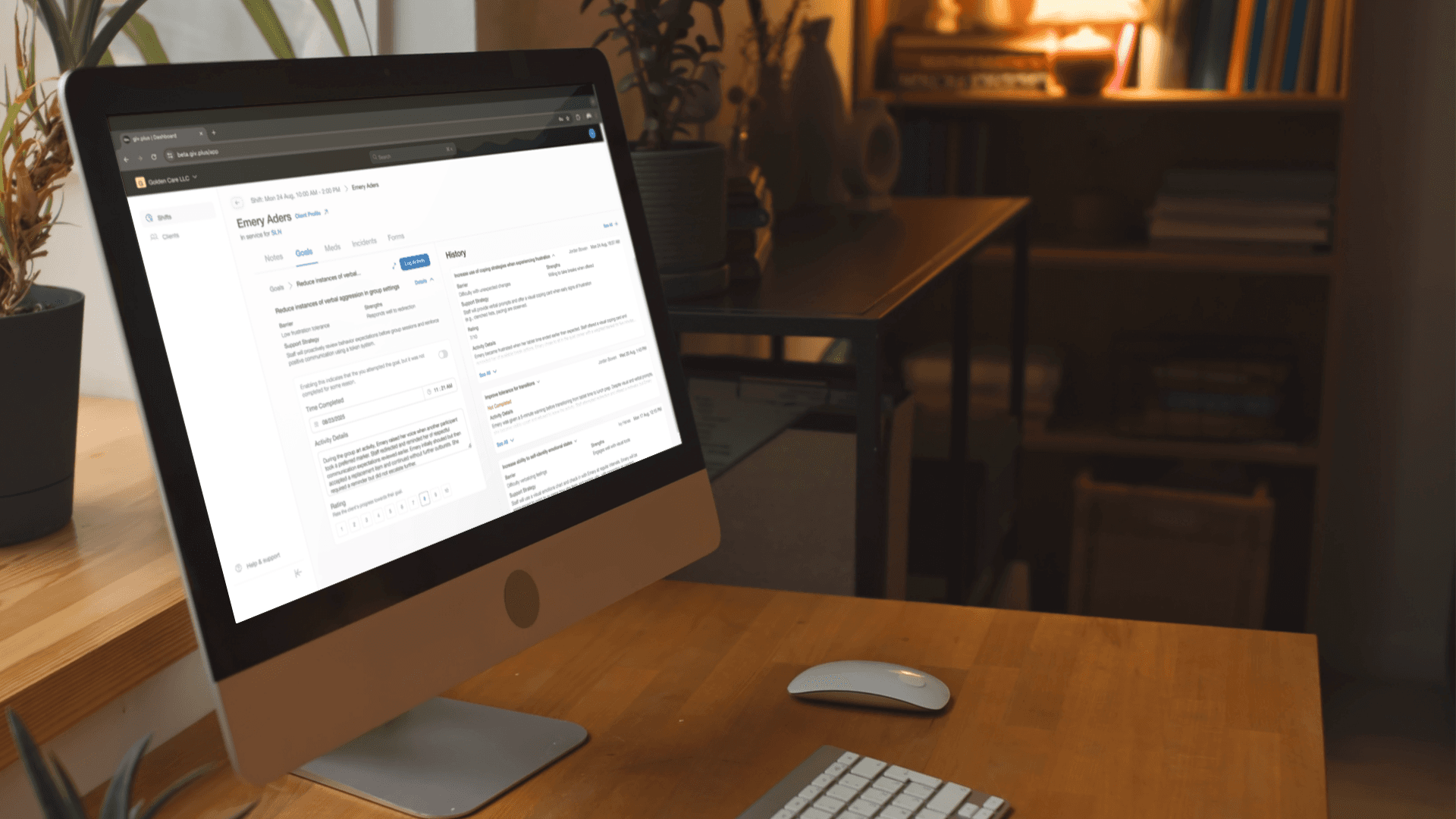
Behavioral health services rely heavily on structured treatment plans that guide care over extended periods of time. These plans often include therapy goals, behavioral strategies, coping techniques, and measurable objectives that evolve as individuals make progress.
Software platforms must allow providers to easily track goals, update interventions, and monitor outcomes. When treatment plans are integrated directly into documentation workflows, clinicians can connect each session note to the individual’s broader care plan.
This alignment helps agencies demonstrate progress and ensures that services remain focused on the individual’s needs.

Detailed documentation
Behavioral health providers must capture a wide range of clinical information. This includes therapy notes, behavioral observations, risk assessments, progress updates, and treatment plan modifications.
Unlike many traditional healthcare environments, behavioral health documentation often requires narrative detail and clinical interpretation. Software designed for behavioral health helps structure this information while still allowing clinicians the flexibility to record meaningful insights.
Structured documentation also improves consistency across staff members and makes records easier to review during supervision or audits.
Long term support
Many individuals receiving behavioral health services participate in care programs for months or even years. Because of this, providers must track long term progress and maintain historical records that show how treatment evolves.
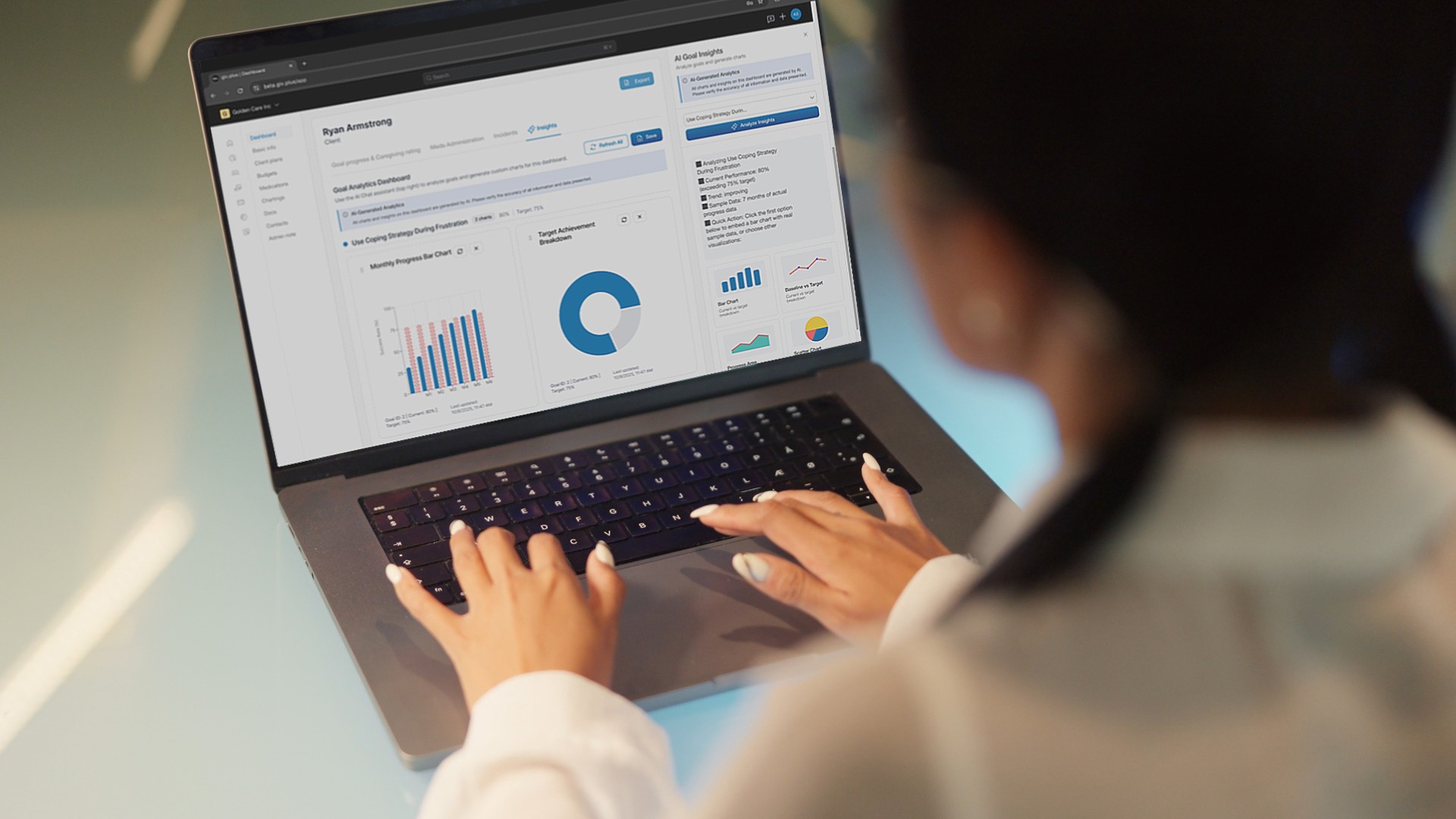
Behavioral health software allows agencies to monitor progress over time, compare current performance with earlier outcomes, and identify patterns in behavior or mental health symptoms.
Having a clear historical record helps clinicians adjust treatment plans and provides valuable context for supervisors and care teams.
Team collaboration
Behavioral health services rarely involve a single professional working alone. Individuals may interact with therapists, case managers, psychiatrists, support staff, and program supervisors.
Effective collaboration is essential to ensure that everyone involved in care understands the individual’s needs and treatment goals. Behavioral health software supports this collaboration by providing shared access to documentation, care plans, and progress updates.
When teams can easily review notes and communicate through the same platform, coordination improves and care becomes more consistent.

Outcome tracking
Modern behavioral health services increasingly emphasize measurable outcomes. Providers must demonstrate improvements in areas such as emotional stability, coping skills, behavioral regulation, or daily functioning.
Software platforms help agencies collect data related to treatment progress and generate reports that show measurable improvement over time. This information is often required by funders, regulators, and insurance programs.
Outcome tracking also helps organizations evaluate the effectiveness of their programs and identify opportunities for improvement.
Compliance and security
Behavioral health records contain highly sensitive personal and clinical information. Agencies must follow strict privacy and security regulations to protect this data.
Specialized behavioral health software includes security features that help organizations maintain compliance with privacy regulations such as HIPAA. Access controls, secure storage, and audit logs help ensure that records remain protected and properly managed.
These safeguards are essential for maintaining trust with individuals receiving care and protecting organizations from compliance risks.
Giv behavioral health tools
Giv helps behavioral health organizations track progress, document services, and coordinate care across teams. Our platform connects documentation, reporting, scheduling, and compliance tools into one system so agencies can operate more efficiently.
Providers can document sessions in real time, supervisors can review notes and monitor trends, and leadership teams can generate reports that demonstrate outcomes. With structured workflows and clear visibility into service delivery, Giv helps behavioral health organizations maintain strong documentation while focusing on the individuals they support. Learn more about how Giv supports behavioral health providers here.